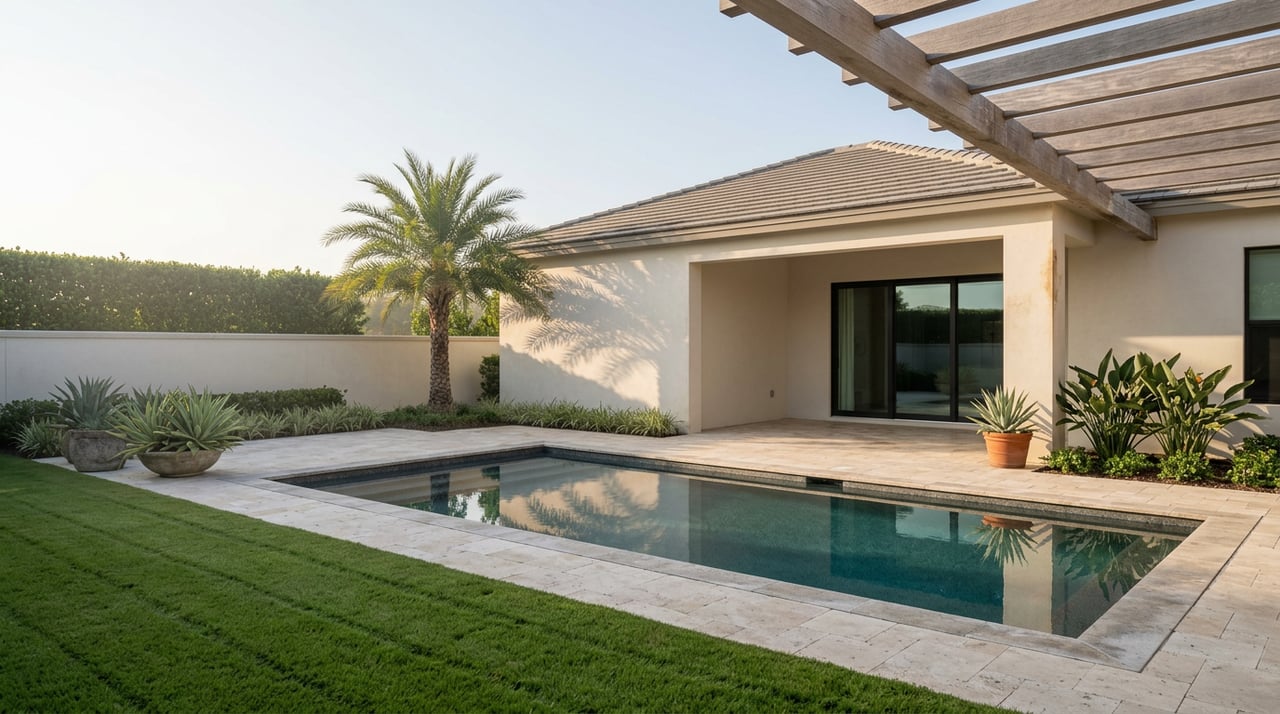
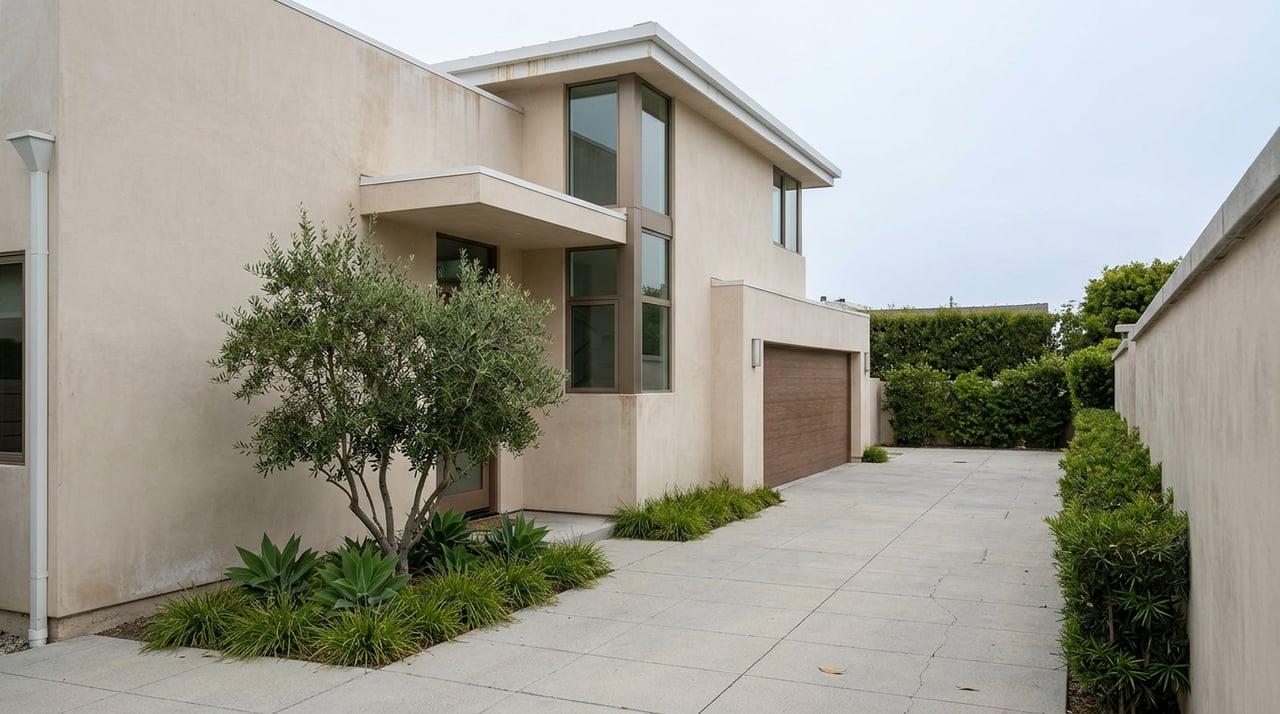
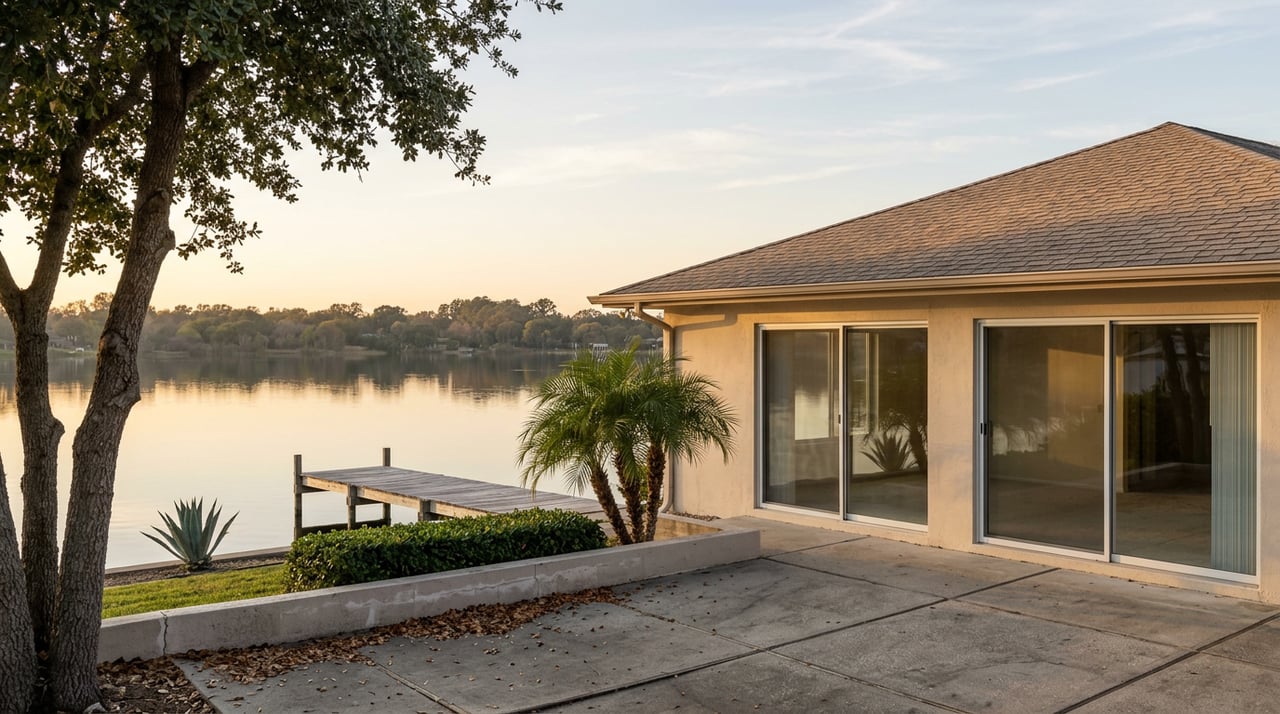
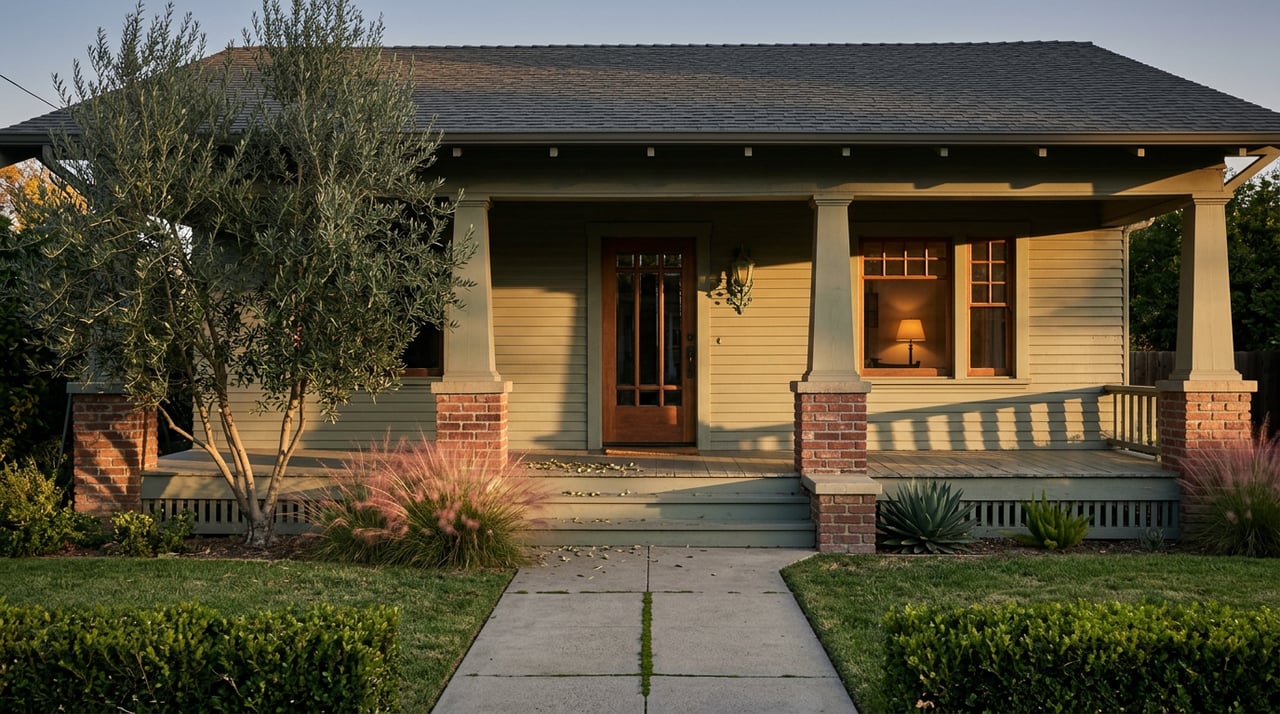
Thinking about selling your Laguna Hills home and wondering when the timing really matters? You are not alone. Seasonality plays a big role in how fast homes sell and how close they close to list price in Orange County. In this guide, you will learn how the local cycle works, what metrics to watch, and exactly when to prep and list to capture peak demand. Let’s dive in.
Laguna Hills seasonality at a glance
Laguna Hills follows a clear annual rhythm. Listing activity and buyer demand begin to rise in late winter, surge in spring, level off in summer, then cool into fall and bottom out from November to January. That spring lift is when median days on market typically decline and sale-to-list price ratios strengthen.
The big takeaway for sellers is simple. If you want the best combination of speed and price, you should plan ahead to be market-ready as buyer traffic accelerates.
What the spring lift looks like
- Faster market: Median days on market often hit seasonal lows in spring.
- Stronger pricing: Sale-to-list price ratios tend to be highest from March through May.
- More buyers in motion: New pendings rise first, and they usually show up as closed sales 30 to 60 days later.
Metrics that matter
Use these local indicators to decide when and how to list.
- New listings: The number of homes that hit the market each month. Shows how much fresh inventory buyers will compare against you.
- New pendings: Accepted offers signed during the month. A leading indicator of demand and future closings.
- Closed sales: Completed transactions. Useful for months of inventory.
- Active listings: End-of-month snapshot of available supply.
- Median days on market (DOM): Time from list to contract. Lower DOM signals higher buyer urgency.
- Median sale-to-list price ratio: Sale price divided by list price. Above 100% signals stronger competition.
- Months of inventory (MoI): Active listings divided by monthly closings.
- Under 3 months: seller’s market
- 3 to 6 months: balanced market
- Over 6 months: buyer’s market
- Absorption rate: Closings divided by actives. The higher the absorption, the faster the market.
When to list for best results
Most years, the prime listing window begins in late February and runs through March, with peak buyer activity in March to May. That timing lines up with the seasonal lows in DOM and stronger sale-to-list ratios.
Because pendings lead closings by about 30 to 45 days, the buyers who are writing offers in March often close in April or May. If you want to ride that wave, aim to launch before it crests.
- Target window: Late February to March
- Goal: Hit the market just as buyer showings and offers ramp up
- Edge: Well-prepped listings can capture multiple tours and strong offers in the first 7 to 10 days
Your 6–12 week prep plan
Start early so you can list right as demand accelerates.
- 8–12 weeks out
- Compile disclosures and order any pre-list inspections if desired.
- Begin repairs and light cosmetic updates.
- Get staging quotes and a marketing plan.
- 4–6 weeks out
- Deep clean the home and garage.
- Refresh landscaping for curb appeal, check irrigation, add mulch, tidy hardscape.
- Schedule professional photography and 3D tour.
- 1–2 weeks out
- Final staging and styling.
- Capture daylight and twilight photos if views or indoor–outdoor spaces shine.
- Prepare pre-list marketing or a coming-soon plan if appropriate.
Pricing and marketing by season
Let local supply and demand guide your strategy.
- Spring seller’s market (MoI under 3)
- Price competitively relative to comparable active inventory to spark strong activity and potential multiple offers.
- Concentrate showings in the first week. Host well-promoted open houses on the first weekend.
- Balanced market (MoI 3 to 6)
- Calibrate price to the most recent accepted offers, not stale listings.
- Lean into premium presentation. Staging, pro photos, and a 3D tour can shorten DOM.
- Slower season (late fall to winter, higher MoI)
- Avoid overpricing. Buyers have more options and will pass on aspirational numbers.
- Use targeted broker tours and stronger online marketing to reach motivated buyers.
Scenarios and expectations
Use recent month-by-month MLS trends to set expectations for your specific property type.
- Best case: You list in late February or March amid rising pendings and low MoI. Expect shorter DOM and a stronger sale-to-list ratio.
- Typical case: You list in summer. Homes still sell, but activity can be more variable due to vacations and competing inventory. Expect moderate DOM and pricing aligned to recent comps.
- Slower case: You list in late fall or early winter. Plan for longer DOM and more selective buyers. Focus on standout presentation and realistic pricing.
What could shift the window this year
Seasonality is reliable, but it is not fixed. Mortgage rate moves, inventory shocks, or macro news can pull demand forward or push it later. When conditions shift, rely on real-time signals like new pendings, DOM, and MoI to fine-tune timing.
How we build your plan
A data-backed listing strategy beats guesswork. The best approach is to analyze the last 3 to 5 years of Laguna Hills data across new listings, pendings, DOM, sale-to-list ratio, and MoI. It helps to use city-level MLS data for accuracy and then validate patterns with metro-level context when needed. We also look at 3-month moving averages and year-over-year comparisons to separate normal seasonality from broader market trends.
Method notes we use with sellers:
- Medians, not averages, to reduce outlier impact.
- 3- to 5-year seasonal averages to identify the typical spring lift.
- A 30 to 60 day lag from pendings to closings to plan timing.
- Clear labels for DOM definitions, since MLS and portals may differ.
The bottom line for Laguna Hills sellers
If you want to maximize speed and price, prepare in January and early February so you can launch in late February or March. Use local month-by-month data to refine the week, price in line with current MoI and sale-to-list ratios, and lead with premium presentation. The result is more attention in the first days on market, better offer quality, and a smoother path to closing.
Ready for a data-driven plan tailored to your property and neighborhood? Reach out to Mike Doyle Real Estate for a custom month-by-month listing strategy and polished execution from prep through closing.
FAQs
What is the best month to list in Laguna Hills?
- Most years, late February and March are ideal, with peak buyer activity running March to May and seasonal lows in DOM and stronger sale-to-list ratios.
How much faster do homes sell in spring locally?
- Spring typically posts shorter median DOM than winter. Exact figures vary by year and property type, so review recent MLS medians for your segment.
Do homes sell for more in spring in Laguna Hills?
- Spring often shows higher sale-to-list ratios and stronger pricing versus late fall and winter, based on multi-year seasonal patterns.
How far in advance should I prepare to list?
- Begin 6–12 weeks before your launch date to complete repairs, staging, and professional marketing without rushing.
Is summer a bad time to sell in Orange County?
- Not at all, but results can be more variable than spring. With the right pricing and marketing, summer listings still perform well.
What if mortgage rates change right before I list?
- Seasonality still exists, but the timing can shift. Watch real-time new pendings, DOM, and MoI to decide whether to accelerate or pause your launch.