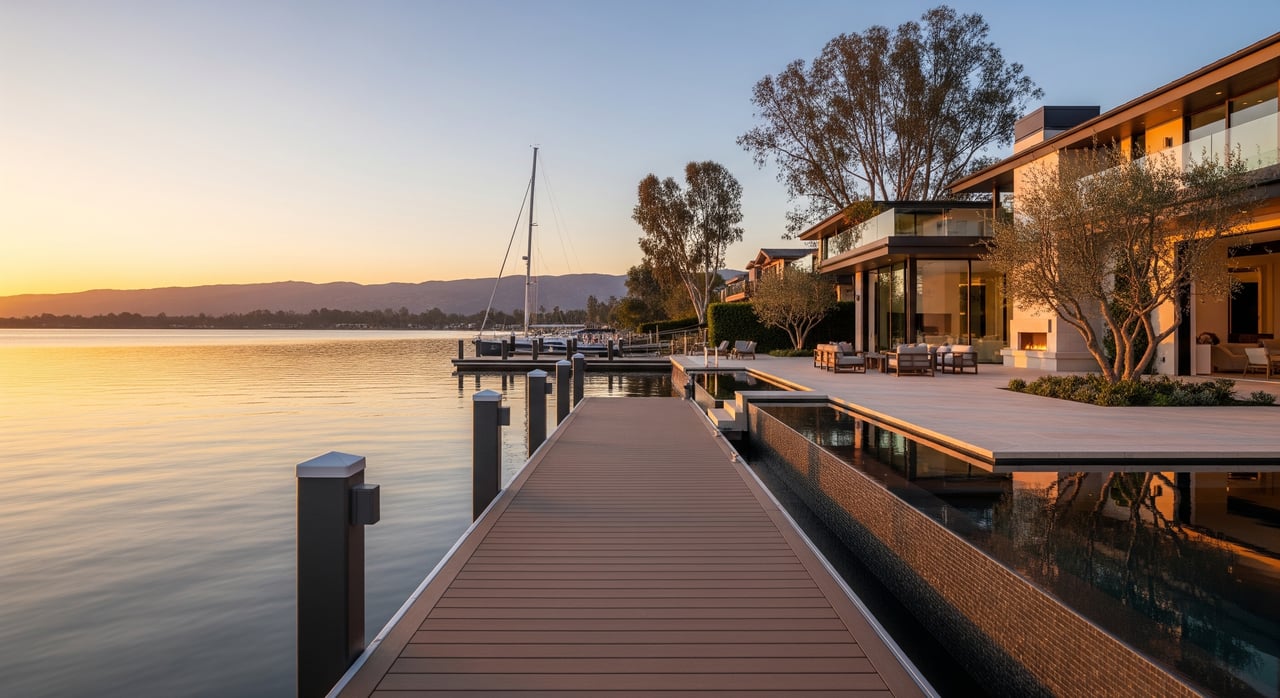
Exploring Lake Forest Lake Communities & Waterfront Living
February 5, 2026
February 5, 2026
Morning coffee on a lakeside patio. Evenings on a quiet canal under string lights. If you picture that life in Orange County, Lake Forest’s lake neighborhoods might be a fit. You want the views and recreation, and you also want the facts on HOAs, docks, inspections, and costs before you buy. This guide breaks down the lifestyle, neighborhoods, rules, and a practical checklist so you can move forward with confidence. Let’s dive in.
Lake Forest sits between Irvine and Mission Viejo and is one of the few places in Orange County where you can live on the water without heading to the coast. The lakes here are privately managed features integrated into planned communities, not public reservoirs. That affects access, rules, and maintenance.
Waterfront homes often carry a price premium because of views, scarcity, and amenities. Inventory can be tight, so expect competitive showings when a great property hits the market. Check current MLS data or ask your agent for up‑to‑date median sale prices for waterfront vs. inland homes.
This gated, planned community is known for private beach areas, lakeside paths, and tennis or pickleball facilities. Homes are primarily single‑family with a mix of lot sizes, many with water views and upgraded outdoor spaces.
What to verify:
Sun & Sail emphasizes relaxed, non‑motorized water recreation like sailing, kayaking, and paddleboarding, along with smaller beach areas or greenbelts. Detached homes often orient outdoor living toward lake views and community club life.
What to verify:
Hidden Lakes feels intimate, with smaller lakes or ponds woven into the neighborhood fabric. Common areas may be simpler than a large club setup, but many homes enjoy scenic water aspects.
What to verify:
The Keys offer a canal‑style experience, with many homes fronting canals and some featuring private docks or slips. You will see a range of styles, from original plans to custom remodels designed around the water.
What to verify:
Most lake communities feature single‑family detached homes with private yards. Expect late‑20th‑century tract designs, ranch and Mediterranean influences, and many modern remodels. Waterfront properties often have larger outdoor living spaces and upgrades that maximize views.
Waterfront homes typically command a premium over similar inland homes in Lake Forest due to scarcity and amenities. Inventory is often lower, so plan for quick timelines and strong preparation. Check current MLS data or ask your agent for up‑to‑date median sale prices for waterfront vs. inland homes.
Financing is straightforward for most properties. FHA and VA loans are commonly used when the property qualifies. Appraisal comps can be more limited due to fewer sales, and if the parcel falls in a FEMA‑mapped flood zone, a lender may require flood insurance before closing.
Lake communities are governed by CC&Rs, bylaws, and rules that cover common areas, docks, architectural changes, and daily use. Many HOAs regulate watercraft types, set boat size limits, and define where you can store and launch boats.
If you plan exterior changes, expect to submit to architectural review. This often applies to docks, decks, railings, retaining walls, landscaping near the water, and lighting. Some neighborhoods allow only electric boats. Others set limits on wake, speed, or hours of operation.
Docks can be privately owned, HOA owned, or covered by easements. Ownership drives who pays for repairs and replacements. For permitting, docks on private, non‑navigable lakes often require HOA approval and may not need county or state permits, but you should confirm with the City of Lake Forest and the HOA for your address.
Always check FEMA Flood Insurance Rate Maps for your parcel to understand flood‑zone status. If a property is in a mapped flood zone, lenders typically require flood insurance. City planning and building departments can help confirm local rules and permits for waterfront improvements.
Proximity to water changes your inspection focus. Ask for a full home inspection plus specialized reviews where needed.
Key inspections to prioritize:
Insurance costs can be higher for waterfront homes. Flood insurance may be required by your lender if the parcel falls within a FEMA flood zone. Discuss coverage for docks or other structures with your insurance provider, and review HOA requirements for liability and indemnification.
On a day‑to‑day basis, lake living is about simple access to recreation. Many communities feature private beaches, lakeside paths, picnic lawns, and options for kayaks, paddleboards, small sailboats, or electric boats. HOAs often host community events, holiday gatherings, and club activities.
There are tradeoffs to weigh. Waterfront walkways can reduce privacy during busy hours, while gated entries reduce cut‑through traffic. Community events increase local activity at times. If you have pets or young children, plan for supervision around the water and review HOA safety rules.
Beyond the neighborhood, you are close to regional outdoor options like Whiting Ranch trail networks and a reasonable drive to Orange County beaches. For commuting, you have access to the 241 toll road and connections to I‑5 and I‑405. John Wayne Airport is the closest major commercial airport. Shopping and employment hubs in Irvine and nearby business parks are accessible by car.
For schools, many addresses in Lake Forest fall within Saddleback Valley Unified School District. Assignments are address‑specific, so you should confirm the exact schools for any property you consider.
Plan your budget with both monthly and occasional costs in mind.
Use this checklist before you make an offer, and keep it handy during due diligence.
Waterfront living in Lake Forest offers a unique mix of recreation, views, and community amenities. It also adds a layer of HOA governance, inspections, and insurance considerations that you want to understand upfront. A neighborhood‑focused advisor helps you verify the details that vary by address, from dock ownership to flood‑zone status and upcoming HOA projects.
If you are ready to explore the Beach & Tennis Club, Sun & Sail Club, Hidden Lakes, or Lake Forest Keys, let’s talk about your goals and a clear plan to move forward. For tailored guidance and on‑the‑ground insight, reach out to Mike Doyle Real Estate. If you are selling a waterfront home, ask about premium marketing with staging, professional photography, and 3D tours to showcase your setting and drive stronger offers.
Stay up to date on the latest real estate trends.

Ask a couple people how the housing market is doing and you’ll probably get a couple different answers. That’s because right now, the market runs on 2 very different t… Read more


It’s that time of year again—when rental property owners sharpen their pencils, look at the market, and ask the question: “What should I charge for rent?”

Ask around and almost every homebuyer out there wants to know if there’s a way to get a better deal. And just about every seller wants to know if they'll still get top… Read more
For expert real estate services, reach out to Mike Doyle. Whether you're buying, selling, or renting, navigate the process with confidence. Contact him today to ensure a smooth and informed real estate journey.