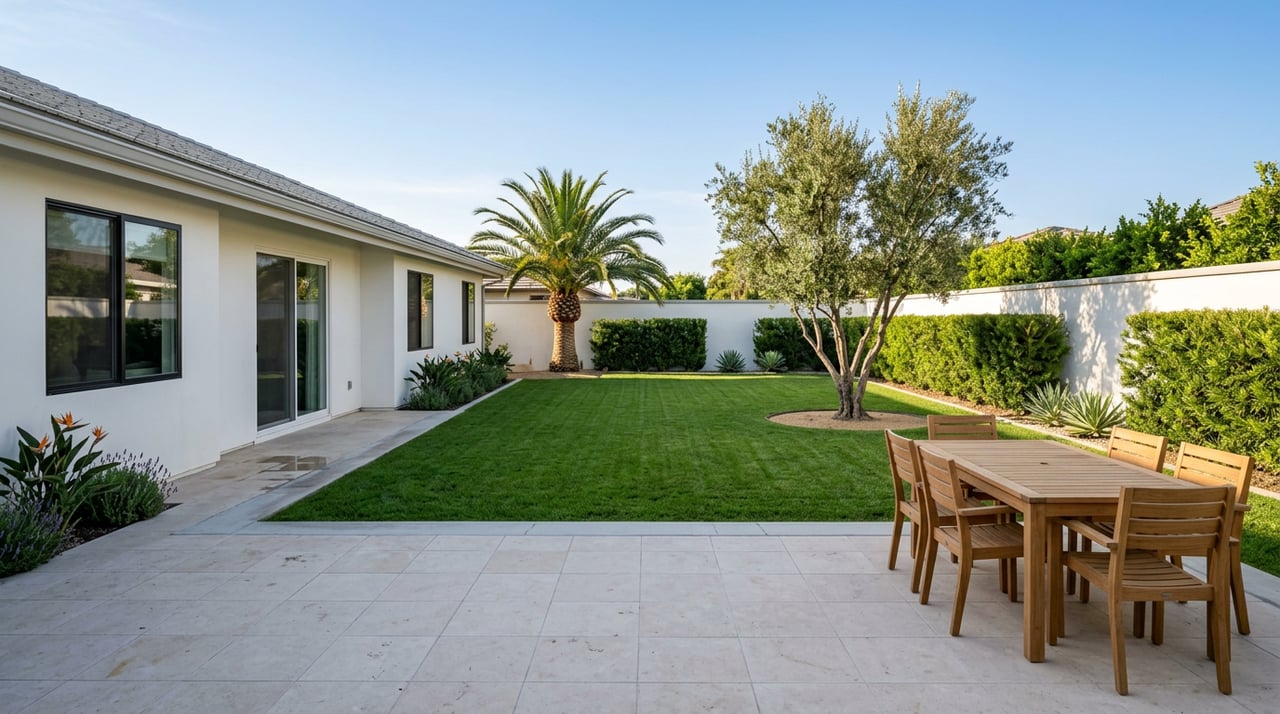
Fountain Valley Backyard Homes With More Outdoor Space
March 24, 2026
March 24, 2026
Craving a bigger backyard without paying a beach premium? If you want room for a real lawn, a shaded patio, or even space for an ADU, Fountain Valley deserves a close look. You want a yard that fits everyday life and weekend plans, not just a tiny patio. In this guide, you’ll see why Fountain Valley stretches your budget, what yard features are typical, the key rules that shape your plans, and a simple checklist to evaluate outdoor space at showings. Let’s dive in.
In Fountain Valley, many single-family homes sit on lots commonly in the 6,000 to 7,200 square foot range. That size band shows up repeatedly in local subdivisions and is reflected in the city’s own planning materials. You can confirm yard-related standards in the city’s published guidelines, including setbacks, open-space requirements, and fences, in the City of Fountain Valley’s Single Family Residential Development Standards.
By contrast, several coastal neighborhoods were built on narrow, historic parcels. For example, many original lots on the Balboa Peninsula measured roughly 30 by 85 feet, which explains why private yards in beach-core areas are usually limited. If your goal is a usable backyard for play, pets, or outdoor dining, inland communities like Fountain Valley typically offer more space for the price than properties right by the sand.
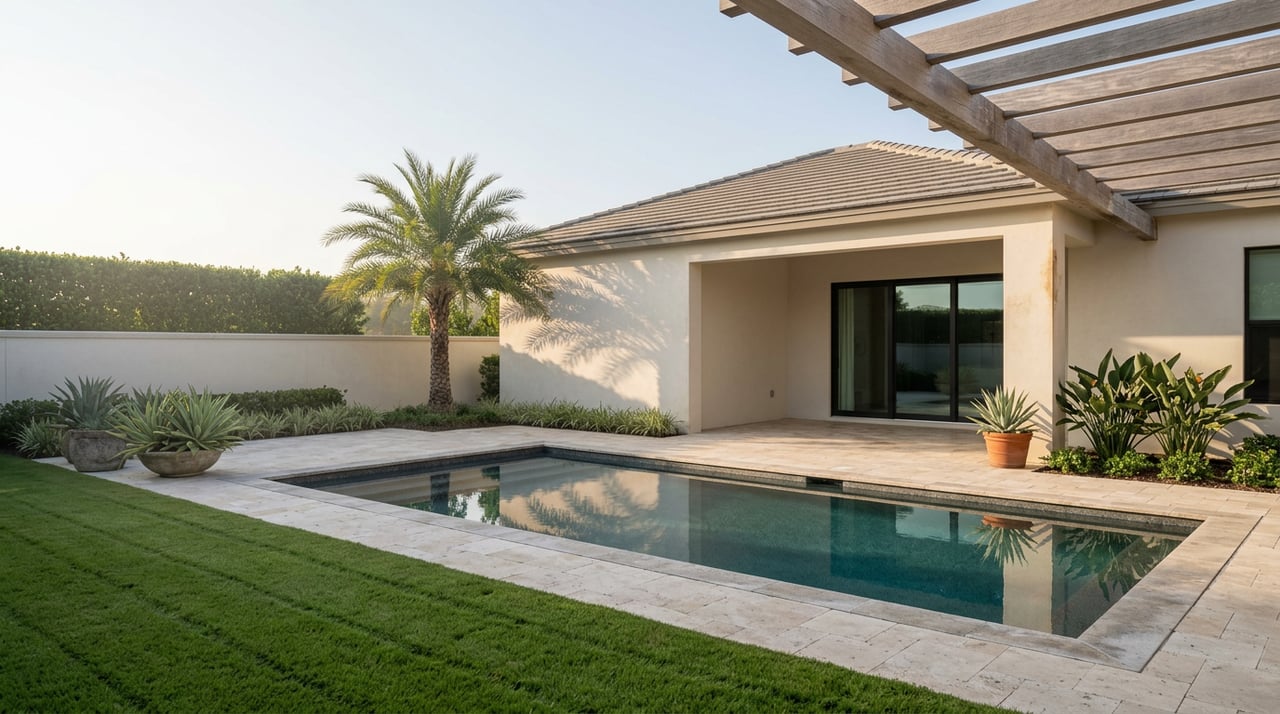
If you are shopping in the city’s common price bands, you will often find 3 to 4 bedroom single-family homes on approximately 6,000 to 7,200 square foot lots. That footprint usually supports a functional backyard with a patio, grill zone, and a lawn area for kids or pets. Some lots also have room for a pool, a detached shed, or an ADU, subject to setbacks, coverage limits, and permits.
Near the beach, you are often trading private yard for walkability and ocean proximity. In many beach-core neighborhoods, even higher budgets buy smaller lots or homes with limited private outdoor space. If a real backyard is your priority, Fountain Valley gives you more options to enjoy at home.
Fountain Valley standards specify a minimum private rear-yard open space for single-family properties. The city’s published matrix includes a 1,000 square foot private rear yard requirement. Always verify a specific property’s zoning and any recorded conditions before you plan improvements. See the City of Fountain Valley’s Single Family Residential Development Standards for details.
Setbacks and coverage determine what you can build and where. Common single-family setbacks include a 20 foot front yard and 5 foot side yards, with rear setbacks and accessory structure standards defined in the code. Maximum lot coverage for most single-family parcels is 60 percent, and 50 percent for lots 10,000 square feet or larger. These limits affect patios, covers, sheds, pools, and ADUs. Review the Single Family Residential Development Standards to confirm what applies on your parcel.
Per the city’s standards, most side and rear fences up to 6 feet are allowed, with taller allowances in certain cases next to major streets. Fence height, placement, and visibility at corners matter for safety and compliance. If an existing fence looks taller than expected or sits in an unusual spot, ask for permit history and check the city’s fence rules within the Single Family Residential Development Standards.
In-ground pools and spas require building permits and plan review. The City’s pool and spa permit checklist outlines submittal requirements such as site plans, setbacks, safety barriers, and equipment locations. Engineering or special inspections may be required depending on soil, slopes, or structural details.
California law makes ADUs broadly allowable, and Fountain Valley’s local code aligns with state requirements. Objective standards cover setbacks, height, size, and parking exemptions. Start with the California HCD ADU Handbook, then confirm current local requirements at the planning counter before you design.
Significant landscape changes can trigger the state’s Model Water Efficient Landscape Ordinance, which sets water budgets and equipment standards for qualifying projects. Before you add new turf or overhaul irrigation, review the Model Water Efficient Landscape Ordinance and ask your water provider about available rebates.
Use this quick checklist so you focus on yard function, not just total lot size.
Coastal neighborhoods offer ocean proximity and walkability, but private lots in beach-core areas are often compact. The Balboa Peninsula’s historic 30 by 85 foot lots are a good example of why grassy backyards are rare right by the sand. Inland, you will find more mid-century tracts and ranch homes on larger parcels, which translates to more flexible outdoor space for the same general budget range.
In Fountain Valley, you also gain easy access to regional recreation like Mile Square Park, which complements home backyards with open fields, trails, and community amenities. Explore local context and resources on the City’s About Fountain Valley page as you plan how you want to live day to day.
If a real backyard tops your wish list, Fountain Valley puts more usable space back into your budget. I can help you compare neighborhoods, evaluate yard potential at showings, and navigate city rules for pools, ADUs, and landscaping. When you are ready, connect with Mike Doyle Real Estate for a tailored plan and on-the-ground guidance.
Stay up to date on the latest real estate trends.

As you look ahead to the next chapter of your life, it's natural to wonder if this is still the place you want to spend it.
Price cuts are turning up everywhere right now, and they read very differently depending on which side of the deal you’re on.

Ask a couple people how the housing market is doing and you’ll probably get a couple different answers. That’s because right now, the market runs on 2 very different t… Read more

For expert real estate services, reach out to Mike Doyle. Whether you're buying, selling, or renting, navigate the process with confidence. Contact him today to ensure a smooth and informed real estate journey.