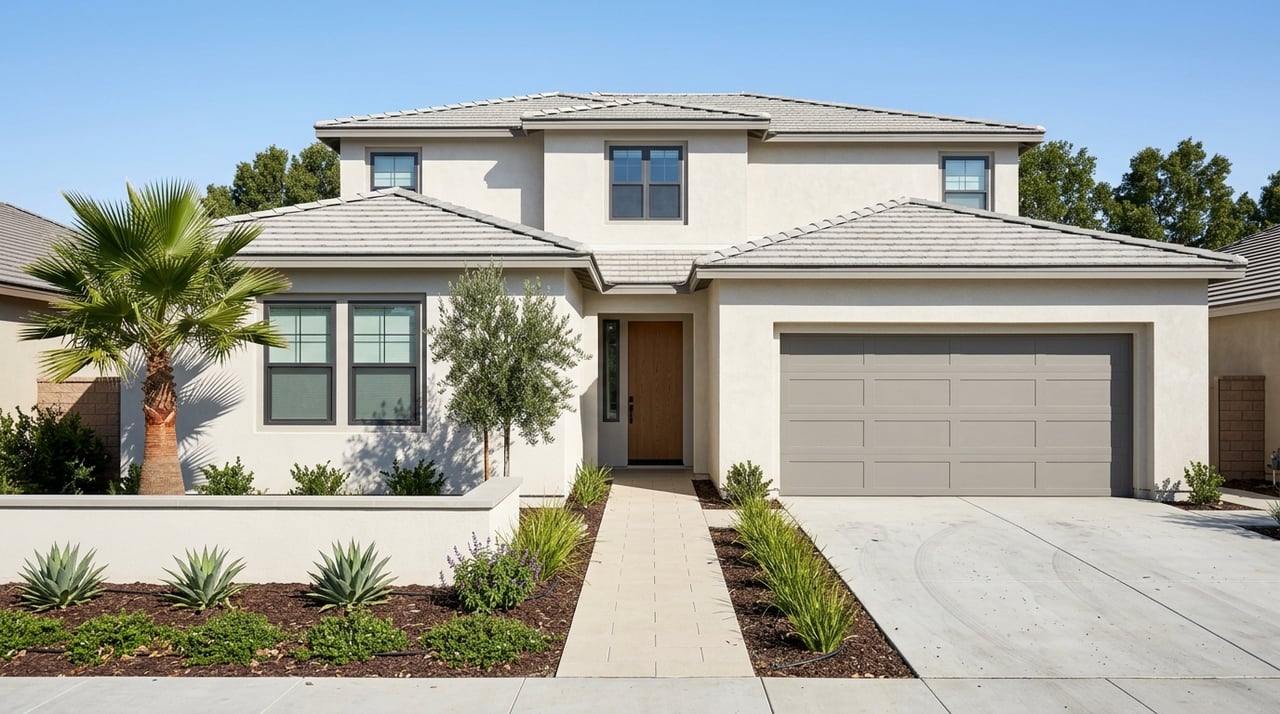
Lake Forest Rental Home Market Insights for Investors
April 16, 2026
April 16, 2026
If you are thinking about buying or holding a rental home in Lake Forest, one thing stands out fast: this is not a bargain-entry market. Home values are high, rents for houses are meaningfully above the citywide rental median, and many properties come with HOA rules, yard upkeep, and maintenance costs that can change your numbers quickly. The good news is that if you understand how Lake Forest rental homes fit the local market, you can make more informed decisions and avoid expensive surprises. Let’s dive in.
Lake Forest is a mostly owner-occupied city with a relatively high home value profile. According to the U.S. Census Bureau QuickFacts for Lake Forest, the city has a 2024 population estimate of 87,159, 30,246 households, a 70.7% owner-occupied housing-unit rate, a median owner-occupied home value of $876,300, and a median gross rent of $2,616.
That broad rent figure is helpful, but investors looking at detached homes need to go a step further. The overall median gross rent includes the full rental mix, not just houses, so it does not reflect what a single-family rental home may command.
Lake Forest’s housing stock also helps explain why rental homes are a distinct segment. The city’s 2025 Consolidated Plan reports that about 73% of housing units are one-unit structures, including 56% detached and 17% attached, while 29.9% of units are renter-occupied.
If you are underwriting a rental home in Lake Forest, current house-rent data gives a more useful benchmark than the citywide median rent. Apartments.com house listings in Lake Forest report an average house rent of $4,506 per month.
That same source shows a wide range of asking rents. Three-bedroom homes appear around the high-$3,000s to low-$5,000s, while four-bedroom homes often fall in the mid-$5,000s to mid-$7,000s, with a few luxury homes reaching $15,000 per month.
A Zillow snapshot of Lake Forest house rentals shows a similar pattern, with listings around $3,995, $4,100, $4,200, $4,495, $4,999, $5,300, $5,600, $6,000, $7,400, $7,500, $8,000, and $15,000 per month. Based on those live examples, most conventional single-family rentals appear to cluster in roughly the $4,000 to $8,000 range.
The difference between the Census median gross rent of $2,616 and the average house rent of $4,506 points to an important takeaway. Detached homes and amenity-rich properties generally rent at a premium compared with the broader rental stock.
That does not mean every house will perform the same way. It does mean that if you are evaluating a detached home, townhome, or HOA property, you should compare it to similar rental-home inventory instead of relying only on citywide rent averages.
In Lake Forest, the local housing mix suggests that rental-home investors will usually be looking at detached houses, attached homes, and planned-community properties rather than large multifamily buildings. For many small investors, that makes this market more about quality and location fit than volume.
The city’s Consolidated Plan shows that owner-occupied housing is heavily concentrated in homes with three or more bedrooms, while renter-occupied units are more concentrated in one- and two-bedroom homes. A reasonable takeaway is that a well-maintained three- to five-bedroom home may fit the local long-term rental market better than a smaller apartment-style investment property.
Lake Forest also has a relatively high-income profile. The Census QuickFacts page reports a median household income of $131,378 and a bachelor’s degree-or-higher rate of 50.1%.
While that does not guarantee rental demand or pricing, it does suggest that many renters in this segment may be looking for clean, updated, move-in-ready homes. In practice, condition and presentation may matter as much as bedroom count.
A big part of the Lake Forest rental-home story is HOA living. Many homes are located in planned communities where amenities, dues, and rules all affect the investment picture.
For example, Lake Forest Keys describes itself as a private community centered on a 36-acre lake with about 500 homes and townhouses on 14 private streets. The same source notes that the Lake Forest II master association includes the Sun & Sail Club, with pools, tennis courts, recreation, a gym, and member services.
For renters, amenities like pools, club facilities, and recreation spaces can make a home more appealing. For investors, they may support stronger interest and potentially better retention, but they can also come with extra cost and added rules.
Before you buy, it is smart to review:
Those details can affect both your operating costs and the renter experience.
In a higher-value market, avoidable maintenance problems can hurt returns quickly. That is especially true with detached homes that have yards, older wood elements, and HVAC systems that need regular care.
Outdoor upkeep is not just a cosmetic issue in California. The California Department of Water Resources notes that about half of household water use goes outdoors.
If your Lake Forest rental has a front yard, backyard, or larger planting areas, landscaping choices can influence both monthly costs and curb appeal. Drought-tolerant landscaping and efficient irrigation may help control water use while keeping the property attractive.
Termites are another key due-diligence item for rental-home owners. UC IPM termite guidance notes that swarms are often noticed during warm weather after rain and recommends professional inspections when needed.
The same guidance suggests preventive steps such as keeping wood above soil, removing wood contact with the ground, and keeping foundations dry and ventilated. It also notes that periodic inspections every three to five years can help catch issues before they become more damaging.
Your HVAC plan should also be practical, not reactive. The EPA’s indoor air quality guidance says routine duct cleaning is generally not recommended, while preventive maintenance and properly fitted filters are more important.
For landlords, the real takeaway is simple. Budget for regular service, replace filters appropriately, and respond quickly when tenants report heating or cooling issues.
Because Lake Forest combines high purchase prices with strong but not unlimited rent ranges, conservative underwriting matters. The city’s median owner-occupied home value is $876,300, while average house rents are around $4,506, so your return depends heavily on the details.
When reviewing a potential rental home, pay close attention to:
This is especially important if you are an accidental landlord deciding whether to keep a home as a rental. A property can look good on paper until irregular costs like exterior repairs, HOA compliance, or vacancy start eating into net income.
For many small investors, the strongest approach in Lake Forest is not chasing the absolute highest rent. It is buying or holding a property that you can maintain well, lease consistently, and manage without too many operational surprises.
That often means prioritizing homes with practical layouts, solid upkeep history, manageable outdoor space, and clear HOA rules. It also means being realistic about reserves and getting professional tax or financial advice before making a buy-or-hold decision.
If you are comparing opportunities in Lake Forest, neighborhood-level insight can make a real difference. Working with a local expert can help you evaluate property type, HOA fit, and resale potential so your investment decision supports both current rental goals and long-term flexibility. If you want help reviewing a Lake Forest property or planning your next move in Orange County, connect with Mike Doyle Real Estate.
Stay up to date on the latest real estate trends.
Selling your house is a big step, and you want it to go smoothly. And with houses taking a little longer to sell these days, renting it out might start to sound like a… Read more

As you look ahead to the next chapter of your life, it's natural to wonder if this is still the place you want to spend it.
Price cuts are turning up everywhere right now, and they read very differently depending on which side of the deal you’re on.
For expert real estate services, reach out to Mike Doyle. Whether you're buying, selling, or renting, navigate the process with confidence. Contact him today to ensure a smooth and informed real estate journey.