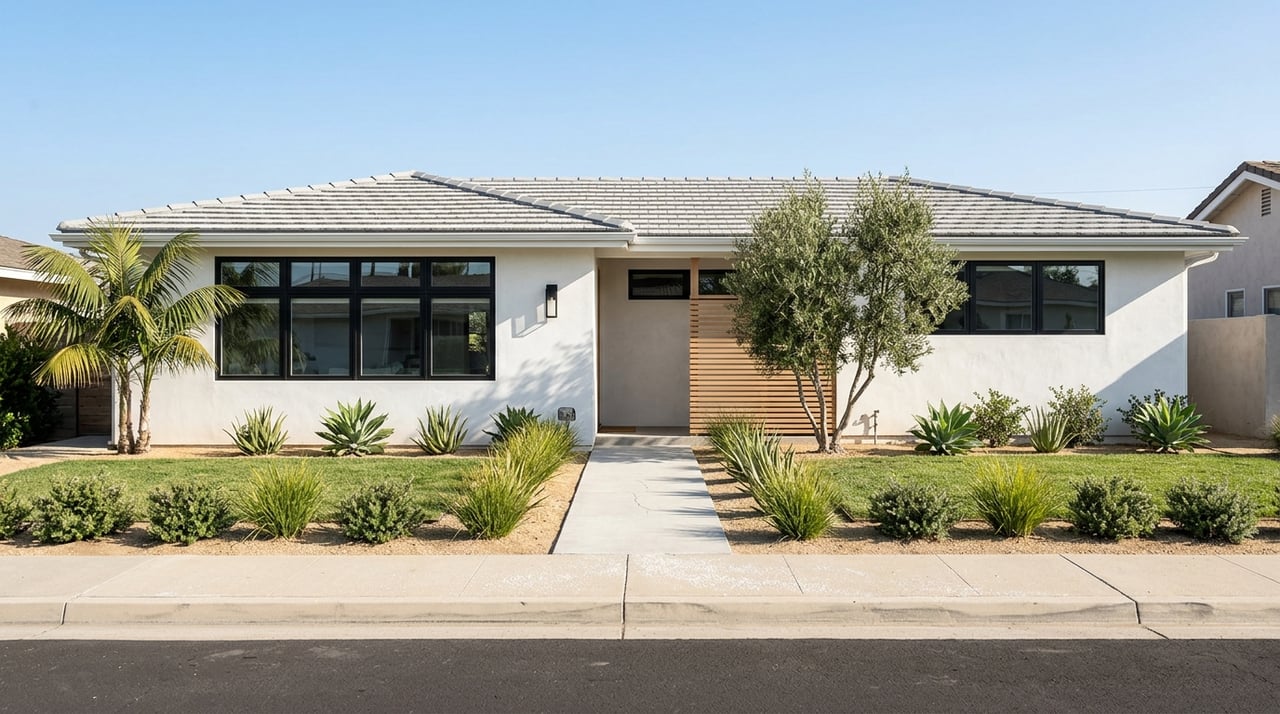
Costa Mesa Lifestyle Guide: Is This the Right Fit?
May 21, 2026
May 21, 2026
If you want Orange County access, beach proximity, and plenty to do without living in a beachfront city, Costa Mesa stands out fast. It offers a mix of established neighborhoods, major shopping and dining hubs, arts venues, and everyday conveniences in one compact city. Whether you are thinking about moving here or just narrowing your options, this guide will help you understand what daily life in Costa Mesa actually feels like. Let’s dive in.
Costa Mesa is a compact Orange County city with about 109,131 residents as of July 1, 2024. It sits minutes from the beach, roughly one mile from the Pacific Ocean, and in a central spot between Los Angeles and San Diego. That location is a big part of its appeal if you want regional access without being right on the coast.
What makes Costa Mesa feel different is how much it packs into a relatively small footprint. You get arts and culture, a broad restaurant scene, major retail, parks, and a range of housing types instead of one dominant lifestyle. In practice, it feels more like a collection of neighborhood pockets and activity districts than a city built around one downtown core.
Costa Mesa calls itself the City of the Arts, and that identity is easy to see. The Theater District includes Segerstrom Center for the Arts, South Coast Repertory, the Orange County Museum of Art, and the Julianne and George Argyros Plaza. If you enjoy live performance, visual art, or public gathering spaces, this part of the city adds a lot to everyday life.
The arts scene also reaches beyond the main theater campus. Costa Mesa supports community-facing programs like ARTventure and Art Crawl, along with public art and murals across the city. That gives the city a creative feel that shows up in both large venues and smaller local experiences.
Costa Mesa has a full calendar of annual events that help shape the local lifestyle. City highlights include the Orange County Fair, OC Marathon, Concerts in the Park, Snoopy House Holiday Display, Fish Fry, Independence Day Celebration, and the Costa Mesa Community Run. If you like living somewhere with recurring local events, Costa Mesa gives you plenty of reasons to get out of the house.
Dining is one of Costa Mesa’s biggest lifestyle draws. Official tourism materials describe it as an “Eatcation” destination, with one Michelin-starred restaurant and two Michelin-recognized eateries, plus a broad mix of casual spots, brewery taprooms, and higher-end dining. For many residents, that means you can keep your regular favorites close to home while still having new places to try.
Shopping is also a major part of daily life here. South Coast Plaza anchors the city’s retail scene with more than 250 boutiques and restaurants, and there are several other distinct shopping and dining clusters throughout Costa Mesa. SOCO and The OC Mix, The LAB, The CAMP, Metro Pointe, and Triangle Square each bring a different vibe.
One of the best ways to understand Costa Mesa is to think in districts instead of one central downtown. The city’s general plan identifies seven commercial corridors, including South Coast, Bristol Street, East 17th Street, and Newport Boulevard corridors. That layout helps explain why the city can feel varied from one area to the next.
For you as a resident, that often means more choice in your everyday routine. You may shop in one area, dine in another, and head somewhere else for entertainment or errands. That pattern is part of what gives Costa Mesa a flexible, active feel.
Costa Mesa’s location near Newport Beach and Huntington Beach is a major lifestyle benefit. You can enjoy quick access to the coast without living in a beachfront market. For many buyers, that balance is a big reason Costa Mesa stays on the shortlist.
The city also supports outdoor time closer to home. Costa Mesa operates 30 parks, with 21 available for reservation permits, and Fairview Park is the standout for open space. At 208 acres with about 7 miles of trails, it offers a different feel than the city’s more built-up commercial areas and connects to the Santa Ana River Trail and nearby regional open space.
Beyond parks, Costa Mesa operates a strong set of community facilities. These include community centers, the Downtown Aquatics Center, the Tennis Center, the Costa Mesa Golf and Country Club, and the Senior Center. The Senior Center also offers transportation, wellness programs, meal programs, social services, and special events.
That variety matters because it gives residents different ways to stay active and connected. Whether you want trails, aquatics, golf, or community programming, there are several built-in options throughout the city.
Costa Mesa has a mixed housing profile, not a single-family-only feel. The Census estimates an owner-occupied housing rate of 39.6%, a median owner-occupied home value of $1,115,100, and a median gross rent of $2,446. Multifamily units outnumber single-family units citywide, which is important to know if you are comparing Costa Mesa to other Orange County cities.
The city’s general plan describes seven residential neighborhood areas: Eastside, Westside, Mesa Verde, College Park, North Costa Mesa/Mesa Del Mar/Halecrest Hall of Fame, Bristol/Paularino, and South Coast/Wimbledon Village. Together, they create a range of housing settings rather than one uniform housing stock. Some areas feel more established and neighborhood-focused, while others include denser or mixed-use development patterns.
Because Costa Mesa is largely built out, newer single-family construction tends to be infill, especially in Eastside and Westside areas. The general plan also points to newer housing and mixed-use growth in higher-density areas such as North Costa Mesa, South Coast Metro, and select Westside planning areas. In practical terms, that means your choices may include older homes on established streets, condos, multifamily options, and newer mixed-use projects depending on where you look.
This variety is one of Costa Mesa’s biggest strengths. If you want a city with different living environments, rather than one narrow housing type, Costa Mesa offers more flexibility than many people expect.
Costa Mesa is well connected regionally, but most daily life still centers on driving. The city notes that I-405 and SR-55 are among the region’s most congested freeways, and SR-55 is the only direct north-south freeway connection between central Orange County and the coast. That makes location within the city an important part of your day-to-day experience.
Costa Mesa also has OCTA bus service on multiple routes, including 1, 35, 43, and 53. The city’s Active Transportation Committee focuses on improving bicycle and pedestrian connectivity as well. Even so, for most residents, driving remains the main way to handle work, errands, and social plans.
The estimated mean travel time to work is 22.4 minutes. That can be appealing if you want access to jobs and amenities across Orange County without committing to a far longer average commute.
Costa Mesa has a diverse and educated population. Census data shows that 36.6% of residents identify as Hispanic or Latino, 22.3% are foreign-born, and 45.0% of adults age 25 and over hold a bachelor’s degree or higher. Those numbers reflect a city with a broad mix of backgrounds and experiences.
For households thinking long term, the city is primarily served by Newport-Mesa Unified School District, which serves about 18,000 students across 33 schools and includes Costa Mesa, Newport Beach, and Corona del Mar. Costa Mesa also runs R.O.C.K.S. after-school programs at multiple elementary sites within the district.
Costa Mesa tends to appeal to people who want options. You can live near established residential streets, spend weekends at parks or the beach, enjoy a strong dining scene, and still have quick access to major shopping and arts venues. That blend is hard to find in one place.
It can be an especially strong fit if you want:
Costa Mesa may be less ideal if you want a quieter, more uniform suburban feel or a market dominated by large amounts of newer single-family construction. The city’s energy comes from its mix of neighborhoods, corridors, and activity centers.
If you are weighing Costa Mesa against other Orange County communities, the key question is simple: do you want convenience, culture, and coastal proximity in one compact city? If the answer is yes, Costa Mesa deserves a close look.
If you are thinking about buying or selling in Costa Mesa, working with a local Orange County expert can help you narrow down the right neighborhood, property type, and timing. Mike Doyle Real Estate offers knowledgeable, hands-on guidance backed by deep local market insight.
Stay up to date on the latest real estate trends.

Ask a couple people how the housing market is doing and you’ll probably get a couple different answers. That’s because right now, the market runs on 2 very different t… Read more


It’s that time of year again—when rental property owners sharpen their pencils, look at the market, and ask the question: “What should I charge for rent?”

Ask around and almost every homebuyer out there wants to know if there’s a way to get a better deal. And just about every seller wants to know if they'll still get top… Read more
For expert real estate services, reach out to Mike Doyle. Whether you're buying, selling, or renting, navigate the process with confidence. Contact him today to ensure a smooth and informed real estate journey.