In Irvine, the Same Village Can Hide Two Very Different Tax Bills
September 17, 2026
September 17, 2026
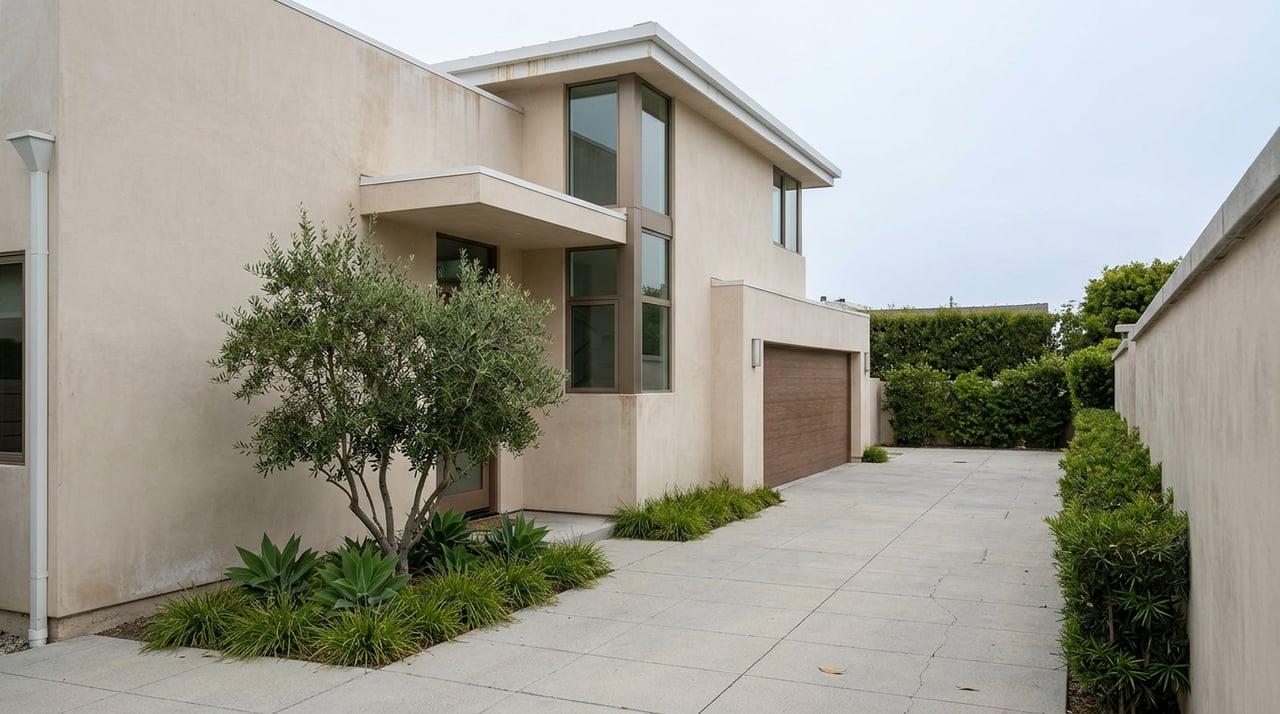
A buyer comparing two homes in Woodbury this year could look at nearly identical listings, same square footage, same builder era, same walk to the village green, and still end up choosing between two very different multi-decade tax obligations. One home's special tax bill retires in 2036. The other, built just a few years later during the same development cycle, keeps charging until 2051. Same village. Same school boundary. Different math for the next fifteen years.
That gap has nothing to do with lot size, upgrades, or how well a seller staged the kitchen. It comes down to which Community Facilities District, or CFD, the parcel happened to land in when Irvine issued the bonds that paid for its roads, parks, and schools. Most buyers researching Irvine spend their energy comparing square footage and school ratings. Almost none of them ask which CFD phase they're actually buying into, and that's the number that changes the monthly payment more than almost anything else on the listing sheet.
Irvine's median sale price has been sitting in the $1.5 million to $1.6 million range for most of 2026, though even the trackers can't agree on which direction it's moving. One widely used tracker showed the median down slightly year over year through the trailing three months ending in June 2026, while another popular estimator showed it up in the high single digits over the same period. When two respected sources can't agree on whether Irvine prices rose or fell this year, that should tell a buyer something: the median is a blunt instrument, and it says nothing about what any specific parcel actually costs to carry month to month.
That's because the median describes the sale price. It says nothing about the special tax that rides along with the property for decades after closing.
Irvine is one of the most CFD-dense cities in California, a byproduct of being built almost entirely as a master-planned city after Proposition 13 capped how much local governments could raise through ordinary property taxes. Starting in the late 1980s, the city and Irvine Unified School District turned to Community Facilities Districts, known statewide as Mello-Roos, to fund the roads, parks, and schools that each new phase of development required. The bonds get repaid through an annual special tax that stays attached to the land, not the owner, for however long the bond term runs.
The city's own CFD list includes districts tied to Central Park, Columbus Grove, and the Great Park, each formed at a different point as Irvine kept building outward. And because the city assembled itself in waves rather than all at once, villages that look interchangeable from the street can carry very different tax obligations depending on exactly when each phase was financed.
Woodbury is the clearest example. Two special taxes still active on Woodbury tax bills today were both assigned to homes built after the housing downturn, yet they retire in very different years. One expires in 2036. The other, attached specifically to the Montecito and Carmel tracts built in 2010, doesn't retire until 2051. Stonegate follows a similar pattern, with different tracts tied to different CFD formations depending on their exact build phase. None of this shows up on a for-sale flyer. It shows up on the county tax bill, and usually only after a buyer has already fallen for the house.
The general rule buyers hear is that anything built in Irvine after roughly 1988 is more likely to carry Mello-Roos, and that pattern mostly holds. Northwood, Turtle Rock, University Park, and most of Woodbridge predate the CFD era and typically carry no special tax at all, though a specific parcel should always be verified rather than assumed. Great Park Neighborhoods, Portola Springs, Orchard Hills, Stonegate, Woodbury, and Cypress Village were built during or after the CFD era and commonly carry an active special tax, sometimes more than one stacked on the same parcel.
But "older" and "newer" inside a single village can matter just as much as which village a buyer picks. A home financed early in a CFD's life is closer to its bond payoff. A home financed in a later phase of the same development, sometimes on the same street, can be locked into payments for another 15 to 25 years past that.
Here's roughly how that plays out across the city:
| Village type | Typical Mello-Roos status | What that means monthly |
|---|---|---|
| Woodbridge, Northwood, Turtle Rock, University Park | Often none, verify by parcel | Base property tax only, roughly 1.05% to 1.1% effective rate |
| Woodbury, Stonegate | Mixed, depends on build phase | Some tracts pay nothing, others carry a special tax running into the 2030s or 2050s |
| Portola Springs, Orchard Hills, Cypress Village | Active CFD on most parcels | Special tax typically $100 to $500 a month depending on phase |
| Great Park Neighborhoods | Active CFD, later phases carry the highest per-parcel burden in the city | Some newer Great Park parcels carry combined annual CFD obligations north of $8,000 |
Converting that to a monthly figure is simple arithmetic, but it's the step most buyers skip. A $3,600 annual special tax adds $300 a month to carrying costs. An $8,000 annual obligation in a later Great Park phase adds close to $667 a month, on top of the mortgage, insurance, and HOA dues that would apply either way. That's before factoring in Great Park's tiered HOA structure, where master dues alone run $221 to $260 a month before any sub-association fee, compared to Woodbridge's older flat master fee of roughly $157 a month that already includes access to its two lakes, beach clubs, pools, and tennis courts.
Put two otherwise similar $1.5 million homes side by side, one in an older Woodbridge tract and one in a later Great Park phase, and the gap in monthly overhead between them can run into the hundreds of dollars before either buyer has paid a dollar of principal or interest.
The median price tells you what Irvine costs on average. It does not tell you what your specific address costs every month for the next twenty to thirty years.
Mello-Roos is not a penalty and it is not a red flag. It's the financing mechanism that built the parks, schools, and roads that make these villages function, and in most cases it funded real value on the ground. The problem isn't that the tax exists. It's that most buyers never see the number until it's already on a closing disclosure.
A few questions turn that blind spot into a comparison a buyer can actually use:
The Orange County Treasurer-Tax Collector's office maintains parcel-level information on active special taxes, and the City of Irvine publishes its list of Community Facilities Districts directly. Pulling both before comparing two listings takes the guesswork out of what looks, on paper, like an identical price tag.
Does Mello-Roos ever go away? Yes, once the underlying bonds are repaid, which is typically 20 to 40 years from when the district was formed. The exact payoff year varies by district and should be confirmed for the specific parcel rather than assumed from the village name alone.
Is Mello-Roos tax-deductible? It depends on the specific CFD and the portion of the tax that funds ongoing services versus bond repayment for new construction, and California homeowners often reach other deduction limits before a Mello-Roos deduction becomes meaningful. This is a question for a tax professional reviewing the specific CFD documents, not a general rule.
Does Mello-Roos affect how much home I can qualify for? Yes. Lenders count the special tax as part of housing expense for debt-to-income calculations, the same way they treat a mortgage payment or HOA due. A higher annual CFD amount reduces the loan amount a buyer can qualify for at a given income, even when the sale price is identical to a home without one.
Comparing Irvine villages on price alone leaves out the number that actually decides what a home costs to keep. Whether you're weighing an older Woodbridge resale against a newer Great Park listing, or you already own in a village where the CFD is closer to payoff than you realized, that's worth walking through with someone who tracks this village by village. Mike Doyle can pull the parcel-specific numbers before you write an offer, or if you're sitting on an Irvine home already, get your instant home valuation to see what your equity and your tax schedule actually look like today.
Stay up to date on the latest real estate trends.

Ask a couple people how the housing market is doing and you’ll probably get a couple different answers. That’s because right now, the market runs on 2 very different t… Read more


It’s that time of year again—when rental property owners sharpen their pencils, look at the market, and ask the question: “What should I charge for rent?”

Ask around and almost every homebuyer out there wants to know if there’s a way to get a better deal. And just about every seller wants to know if they'll still get top… Read more
For expert real estate services, reach out to Mike Doyle. Whether you're buying, selling, or renting, navigate the process with confidence. Contact him today to ensure a smooth and informed real estate journey.