Living in Fountain Valley: What Daily Life Looks Like
July 2, 2026
July 2, 2026
Wondering whether Fountain Valley feels more like a busy Orange County hub or a quiet place to settle into daily routines? For many people, it lands somewhere in the middle: practical, established, and easy to navigate, with a lifestyle shaped by parks, neighborhood errands, and convenient access to the rest of the county. If you are thinking about moving here or simply want a clearer picture of day-to-day life, this guide will walk you through what to expect. Let’s dive in.
Fountain Valley has the feel of a compact suburban city rather than a dense urban center. Current ACS data shows about 56,258 residents living within 9.1 square miles, which helps explain why the city often feels established and residential without feeling oversized.
The population also skews a bit older than some nearby markets, with a median age of 44.4. Median household income is reported at $115,237, and there are about 18,778 households with roughly three people per household, which points to a city built around long-term daily living rather than short-term turnover.
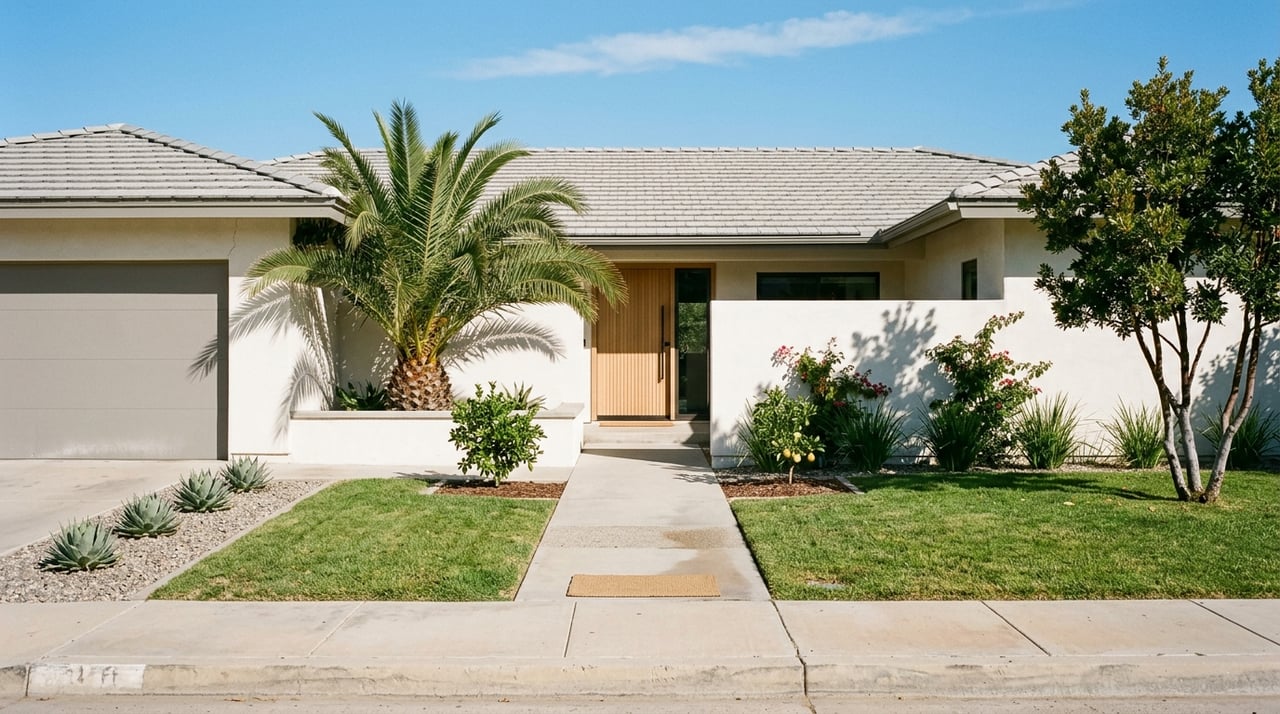
Housing plays a big role in that feel. About 65% of homes are owner-occupied, and single-unit housing still makes up most of the housing stock, giving many areas a low-rise, neighborhood-focused character.
One of the biggest things people notice about Fountain Valley is how practical everyday life feels. The city describes itself as a well-planned suburban community in the heart of Orange County along the I-405, and that shows up in the way residents move through the week.
Instead of a traditional downtown, daily routines tend to revolve around neighborhood streets, shopping centers, and major commercial corridors. You are more likely to plan your week around grocery runs, coffee stops, school or activity drop-offs, and quick drives to nearby destinations than around a central urban core.
That can be a major plus if you want a lifestyle that feels steady and predictable. Fountain Valley tends to support routine well, especially for people who value easy errands, established neighborhoods, and access to nearby Orange County job centers.
If you want to understand everyday life in Fountain Valley, start with the parks. Outdoor space is a major part of the local routine, and weekends often center around sports, walks, picnics, and family activities.
The city says residents have access to more than 150 acres of neighborhood parks, activity buildings, and athletic facilities through the Recreation Center & Sports Park. That includes a gymnasium, fields, courts, picnic areas, classes, and rentable facilities, which adds a lot of flexibility for different ages and interests.
The city also offers year-round classes and activities through The Center at Founders Village and publishes its Fountain Pen recreation guide. That helps make recreation feel like an ongoing part of local life rather than just an occasional weekend option.
Mile Square Regional Park is the city’s signature outdoor destination and one of the biggest lifestyle draws in Fountain Valley. OC Parks describes it as a 607-acre urban park with two lakes, golf courses, sports fields, an archery range, a nature area, bike and paddle-boat rentals, and picnic areas.
That range of amenities matters because it gives you options. A visit can be as simple as a morning walk or as full as a family picnic, sports outing, or outdoor activity day.
For many buyers, this is the kind of feature that shapes how a city feels over time. Access to a large regional park can make everyday life feel more balanced, especially if you want room to get outside without leaving town.
Fountain Valley’s dining scene is more casual and center-based than high-profile or nightlife-driven. That means your go-to spots are often tied to local retail centers and everyday corridors instead of a single restaurant district.
The city approved permanent outdoor dining standards in 2021, and recent business features have highlighted a mix of local options including Airoma Café, Phuc Long Coffee & Tea, QUA Contemporary Chinese Cuisine, I Can Barbecue Korean Grill, and Slice House by Tony Gemignani. Together, those examples suggest a broad casual mix that includes coffee, noodle and soup spots, pizza, and family-friendly dining.
Brookhurst Street and nearby shopping areas stand out as part of that daily dining pattern. In practical terms, that means grabbing coffee, meeting friends for a casual meal, or picking up takeout can fit naturally into your normal weekly routine.
Fountain Valley functions more through commercial corridors than through a classic downtown layout. The city’s economic development materials point to continued retail and restaurant reinvestment, including Fountain Valley Crossings and the Slater mixed-use project.
That tells you something important about daily convenience. Many errands and quick stops are clustered around established shopping and service areas, which can make the city feel efficient if you prefer to keep your routine local.
For buyers, this often translates into a lifestyle where essentials are close at hand. You may still drive to most places, but many of the basics of daily life can happen within a fairly familiar local loop.
Like many Orange County cities, Fountain Valley is largely built around driving. Current ACS data shows a mean one-way commute of 26 minutes, with 75% of workers driving alone, 6% carpooling, 1% using public transit, and 17% working from home.
That breakdown gives a realistic picture of the local rhythm. Most people rely on their cars, and daily schedules often revolve around freeway access, work hubs, and school or activity logistics.
For some households, that feels normal and convenient, especially with the city’s location along the I-405. For others, it is worth understanding up front that Fountain Valley is not a place where most errands or commutes happen on foot.
Even though driving is the norm, regional transit is available. OCTA’s current route list includes service linking the area with Anaheim, Irvine, Santa Ana, Newport Beach, Tustin, Costa Mesa, Mission Viejo, and John Wayne Airport.
The network also includes Route 472 to the Irvine Business Complex and Route 862 to the Santa Ana Regional Transportation Intermodal Center. That means public transit may not be the primary daily option for most residents, but it can still be useful for select regional trips.
Another part of everyday life in Fountain Valley is its proximity to a broad employment base. The city lists major employers in medical, manufacturing, clean technology, IT and software, retail, and hospitality.
Examples include Fountain Valley Regional Hospital, Orange Coast Memorial Medical Center, Hyundai Motor America, Kingston Technology, Surefire, Antech Diagnostics, and Costco Wholesale. This mix helps explain why some residents can keep work trips relatively close to home or within nearby Orange County business centers.
That does not guarantee a short commute, of course, but it does support Fountain Valley’s reputation as a practical home base. For many people, the city works well because it sits near several employment nodes rather than depending on just one.
At first glance, Fountain Valley can seem like a city defined mostly by detached homes. In many ways, that is true, since the housing stock is still heavily single-unit and owner occupancy is about 65%.
At the same time, the housing mix is gradually broadening. ACS data shows a median gross rent of $2,631, and the city’s April 2026 development update lists new apartment, senior apartment, townhome, triplex, and single-family projects.
The Slater mixed-use project alone adds 270 residential units alongside retail. Taken together, that suggests Fountain Valley may appeal to a wider range of households than its low-rise appearance initially implies.
If you are buying in Fountain Valley, you may find options that support different needs over time. Established households may be drawn to detached homes and longer-term neighborhood stability, while some buyers may prefer attached housing or lower-maintenance options.
The median owner-occupied home value is reported at $1,072,300, which also gives useful context for budgeting and expectations. In a city like Fountain Valley, understanding both the traditional housing base and the newer development pipeline can help you match lifestyle goals with the right property type.
So what is everyday life really like in Fountain Valley? In simple terms, it tends to feel practical, park-heavy, car-oriented, and steady.
You are likely to spend your week moving between home, work, parks, shopping centers, and nearby Orange County destinations. Your weekends may include Mile Square Regional Park, youth sports, casual dining, or low-key time outdoors rather than dense nightlife or a busy downtown scene.
For many buyers, that is exactly the appeal. Fountain Valley offers an established suburban rhythm with useful amenities, a strong outdoor component, and a location that keeps much of Orange County within reach.
If you are exploring Fountain Valley as your next move, working with a local expert can help you compare neighborhoods, housing options, and day-to-day tradeoffs with more confidence. When you are ready to talk through your goals, connect with Mike Doyle Real Estate for local guidance tailored to your move.
Stay up to date on the latest real estate trends.

As you look ahead to the next chapter of your life, it's natural to wonder if this is still the place you want to spend it.
Price cuts are turning up everywhere right now, and they read very differently depending on which side of the deal you’re on.

Ask a couple people how the housing market is doing and you’ll probably get a couple different answers. That’s because right now, the market runs on 2 very different t… Read more

For expert real estate services, reach out to Mike Doyle. Whether you're buying, selling, or renting, navigate the process with confidence. Contact him today to ensure a smooth and informed real estate journey.